Storefront Safety CouncilStorefront SafetyCouncil

Our research

Source data for a risk that is still undercounted

Each year in the United States, as many as 16,000 people are injured and as many as 2,600 are killed in vehicle-into-building crashes.

100+

Storefront crashes occur every day in the U.S.

46%

Of storefront crashes result in an injury

8%

Of storefront crashes result in a fatality

1 in 12

Conservative estimate of incidents captured in SSC data (Lloyd's review)

Distribution

How the incidents break down

Driver age, location type, and primary cause from the Council database.

Last updated

Driver age

100%

Locations

100%

Causes

100%
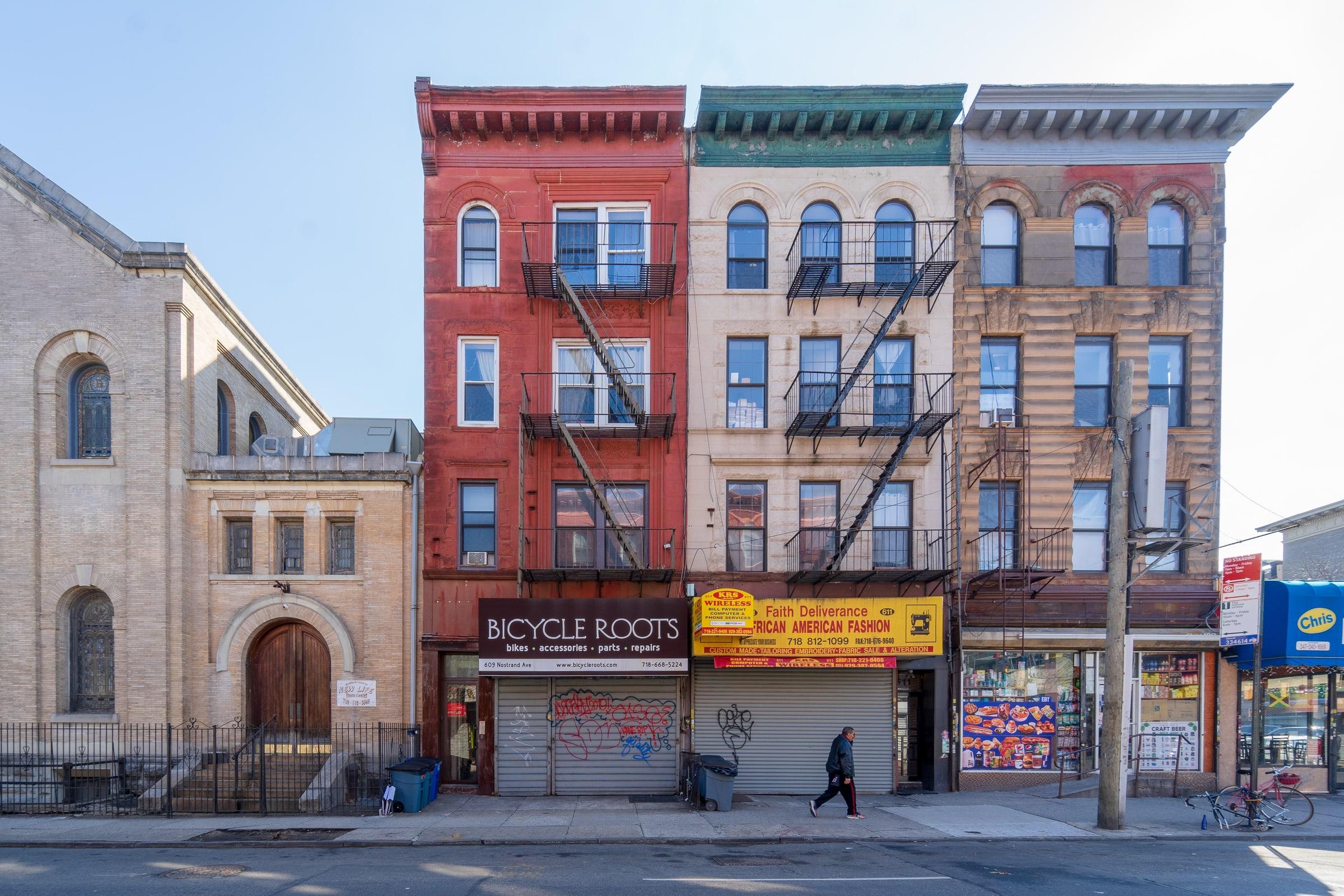
Storefront corridor where vehicle-into-building crashes are tracked

Council database

Collecting data for 10+ years

The Council tracks vehicle-into-building crashes at commercial and public buildings, transit stops, public areas, and other non-residential structures, then analyzes cause, driver age, and building type for statistical results.

Incidents are cross-checked against court documents and police reports when available before they enter the growing database.

Validation

Treated as source data by risk managers

1 in 12

Most conservative Lloyd's estimate of daily incidents captured in the SSC database (8.33%).

In April 2022, the Storefront Safety Council completed an exchange of data and methodologies with an arm of Lloyd's of London (CHC Global). Lloyd's reviewed and audited the collection methodology, accuracy, and ongoing value of the dataset.

They found the data valid and credible, and concluded that, given the lack of other private-property datasets in the United States, the SSC collection should be treated as source data for researchers and risk managers, while still reflecting only a fraction of daily crashes.

Request data access →

How the research grew

A decade of building the evidence base

What the Storefront Safety Council has tracked since 2014, and how the dataset expanded.

  1. 2014

    From 2014 through 2021 we have collected data on:

    • Stated causes of storefront and similar crashes
    • Ages of drivers of vehicles involved in storefront and similar crashes
    • Category of buildings and businesses struck in vehicle-into-building crashes for each state, ranked against each state's percentage of licensed drivers in the U.S.
  2. 2016

    In 2016, we expanded our research to analyze the same data listed above and began collecting additional information found to be statistically significant, including:

    • Names of locations hit by vehicles if applicable (e.g. "Starbucks")
    • Number and name of brand/chain store locations hit by vehicles
    • Statistically significant causes previously captured as "other," including vehicular assault on people, reckless driving, falling asleep at the wheel, weather conditions, speeding, mechanical failure, and driver distractions
    • Statistically significant site types previously captured as "other," including bus stops, child and elder care facilities, schools (K-12), churches, medical facilities, government buildings, gas stations, banks, and hair and nail salons
  3. 2020-2021

    Collection expanded again to capture emerging risk patterns:

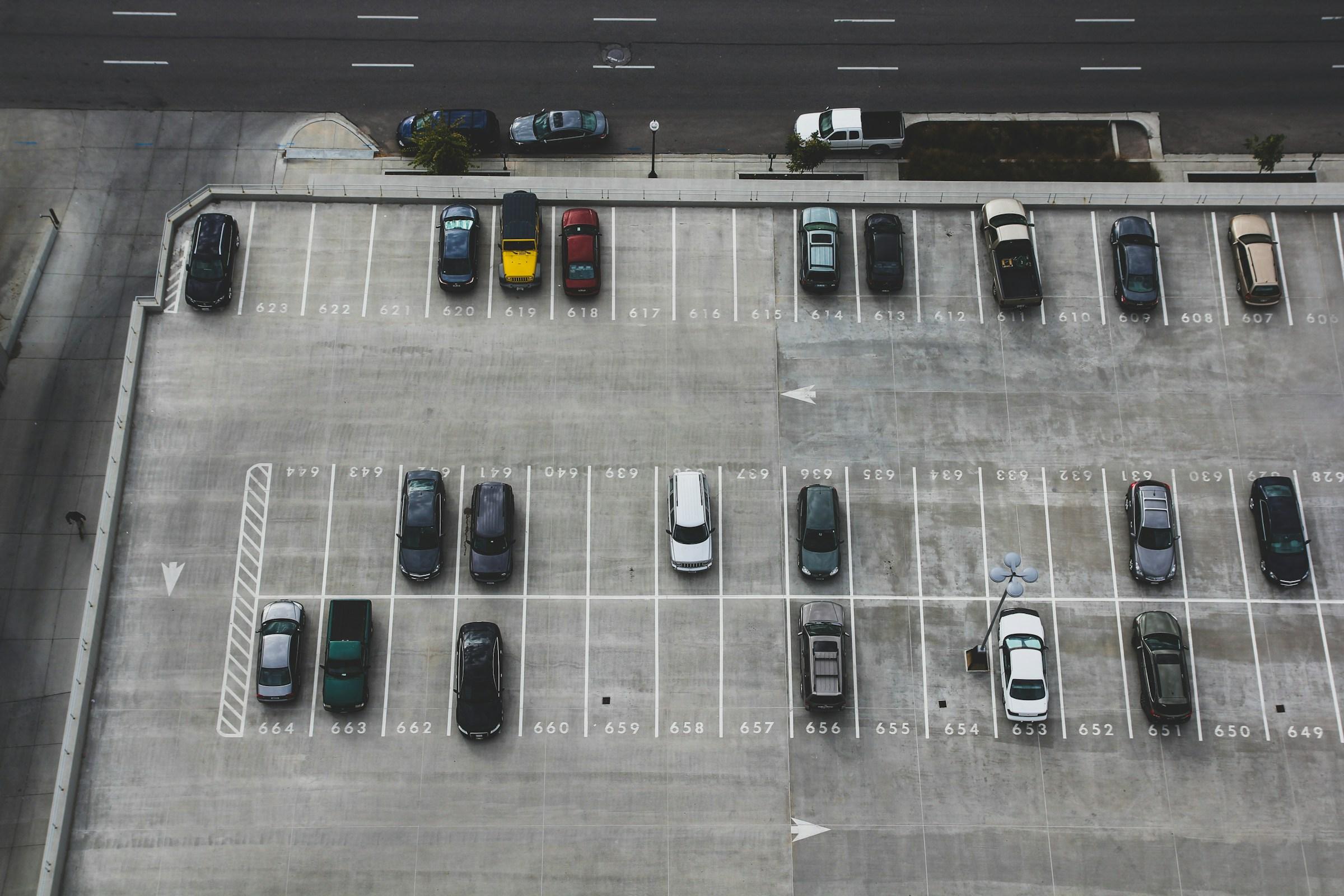
    • Vehicle-into-pedestrian incidents in commercial parking areas
    • Outdoor dining and plaza exposure tied to vehicle encroachment
    • Audits identifying employee injuries and fatalities for insurers and federal partners
    • Continued refinement of causes, locations, and site types for research and risk management use

Key findings

What the data makes clear

100+

Storefront crashes occur more than 100 times per day.

46%

Of storefront crashes result in an injury.

8%

Of storefront crashes result in a fatality.

16,000

People injured each year in vehicle-into-building crashes.

2,600

People killed each year in these crashes.

1 in 12

Most conservative Lloyd's estimate of daily incidents captured in the SSC database.

Contact the Council at 909-964-2906 or rob.reiter.pp@gmail.com to discuss data access for research or risk management purposes.

Request data access

Talk with the Storefront Safety Council

Crash data, Safer Parking, media, speaking, and ordinance questions.